


Our Purpose
Our primary goals are to investigate in what areas institutions are doing well or could improve in providing supportive environments for faculty as educators and scholars to increase faculty satisfaction, morale, and retention. In other words, we will examine to what extent institutions are satisfying faculty teaching and research needs, inspiring positive motivations for teaching and research, providing adequate teaching and research resources, creating environments conducive to collegial teaching and research interactions with peers, and fostering productive interactions with students. This project will explore faculty perceptions of these supports regarding their own working environment. We will strive to identify groups of faculty or institutions that experience more supportive environments for faculty and pay particular attention to traditionally marginalized groups of faculty or faculty at disadvantaged institutions who may be experiencing inequitable treatment. Our assessment focuses on five aspects of faculty environments:
- Processes + Policies
- Professional Relationships
- Support + Resources
- Faculty Emotions
- Climate for Diversity
Inequities and discrimination built into the systems and structures of higher education lead to systemic issues that prevent faculty from doing and receiving recognition for their best work. Often climate or environmental studies of faculty are done locally, complicating what we know about faculty cultures as a field. The College and University Teaching Environments survey is a large-scale, national assessment of faculty working environments, needs, and supports, available for instructors of both undergraduate and graduate student populations. The findings from this project can both inform the field of higher education about the current climates and cultures that faculty experience as well as provide participating institutions with actionable information to improve working environments on their own campuses.
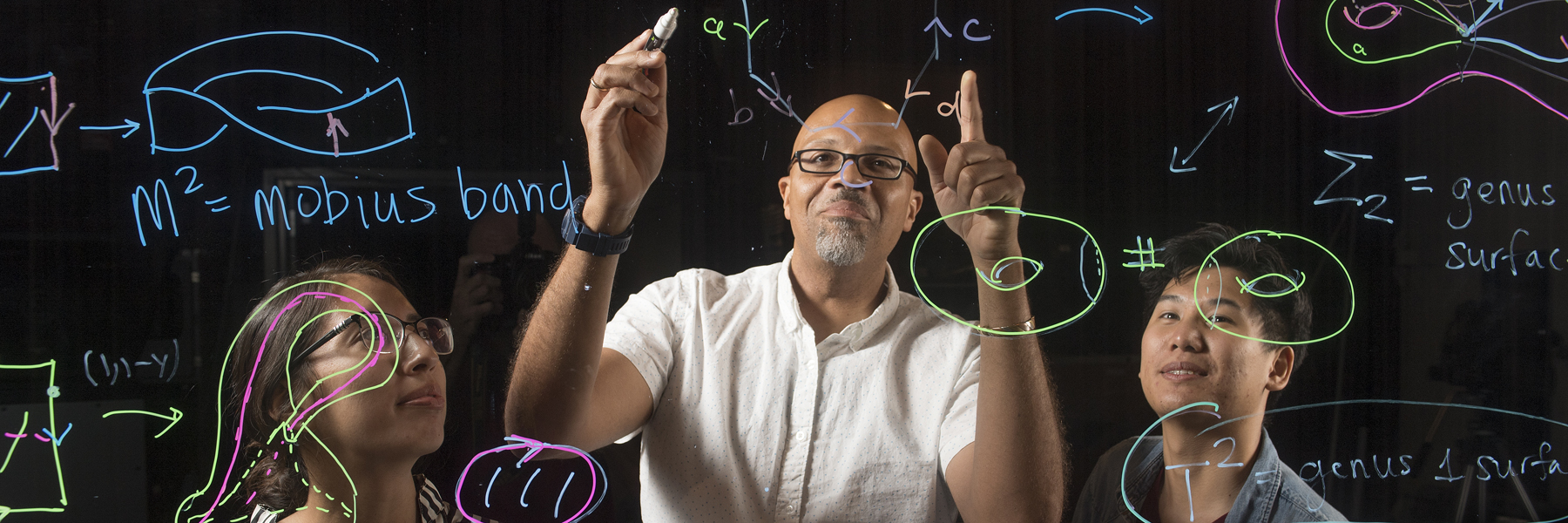
Banner photo courtesy of California State Polytechnic University Pomona